
How Unpaid Care Work Is Becoming a Foreign Policy Issue
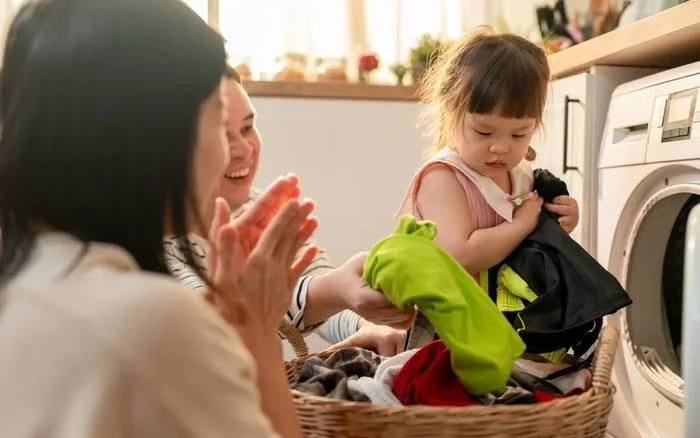
Photo Credit: Shutterstock
Kuala Lumpur, Malaysia || Across Asia-Pacific, women continue to shoulder a disproportionate share of unpaid care work. The situation is becoming increasingly challenging as societies age, birth rates decline, and demand for elderly care grows. These pressures are further compounded by migration, the climate crisis, and rising economic insecurity, all of which are reshaping care needs across the region. The economic implications are significant: the UNDP estimates that recognizing the value of women’s unpaid care work could add around US$3.8 trillion to the regional economy.
Our Deputy Director, Spogmay Ahmed, shares what we discovered during a high-level roundtable we organized Sustaining Feminist Foreign Policy Through a Shared Care Agenda on the sidelines of the 81st session of the UN General Assembly in conversation with diplomats and civil society from across the world. She discusses with Dashran Yohan, host of BFM 89.9’s “Beyond the Ballot Box” podcast, how governments can build on growing international momentum around care and translate it into coordinated action through multilateral institutions and processes.
Listen to Spogmay’s interview for the “Beyond the Ballot Box” podcast here.